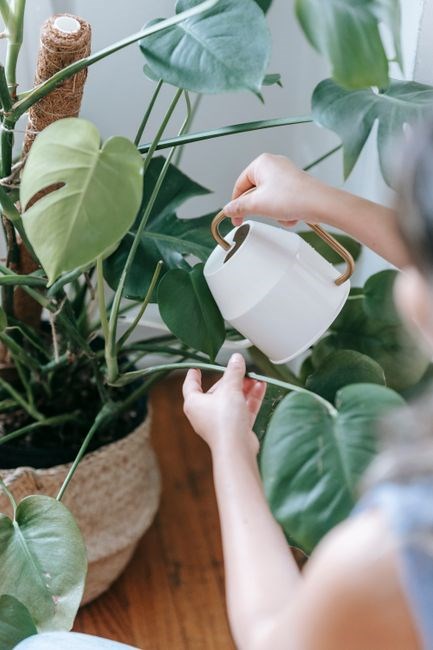
Indoor plant care PDFs provide concise, step‑by‑step instructions, from choosing the right soil to timing water.They compile expert tips, visual aids, and troubleshooting charts, making it easier for beginners to nurture foliage without guesswork. A printable log helps track moisture trends daily and notes
Benefits of Digital Guides
Digital PDFs bring a host of advantages to indoor plant enthusiasts. First, they are instantly accessible—download once and view on any device, from a phone to a tablet or laptop, without the need for physical storage. The format supports hyperlinks, embedded images, and even video links, allowing readers to dive deeper into specific topics without leaving the guide.
Second, updates are effortless; authors can push new versions that reflect the latest horticultural research, ensuring that users always have the most current best practices for watering, fertilizing, and pest control. Cost efficiency is another strong point. Producing a digital guide eliminates printing, binding, and distribution costs, which translates into lower prices for consumers. Additionally, the environmental footprint is reduced—no paper waste, no ink, and no shipping emissions. For hobbyists who care about sustainability, this is a compelling benefit.
Searchability and organization also set PDFs apart. Users can quickly locate a specific plant species or a particular care step using the built‑in search function. The ability to bookmark pages or add annotations makes long‑term reference easy, especially when managing a growing collection. Finally, the portability of a PDF means that a gardener can consult the guide while traveling, during a break at work, or in the middle of a rainstorm, turning any moment into a learning opportunity.
Selecting a Reliable PDF Guide
Choose PDFs from reputable sources—universities, botanical gardens, or certified horticulturists. Verify author credentials, check for peer‑reviewed data, and look for recent publication dates. A reliable guide offers diagrams, step‑by‑step watering charts, and troubleshooting tips!! Enjoy! Grow!
Evaluating Author Expertise
When selecting an indoor plant care PDF, the author’s background is a critical indicator of reliability. Look for credentials that align with botanical science—degrees in horticulture, plant physiology, or environmental biology, and professional affiliations such as the American Society for Horticultural Science or local botanical societies. Authors who have published peer‑reviewed research or contributed to recognized plant‑care manuals bring evidence‑based insights that go beyond anecdotal experience. A strong publication record often signals rigorous methodology and a commitment to accuracy. Additionally, examine the author’s practical experience: many experts combine academic knowledge with hands‑on work in commercial nurseries, greenhouse operations, or long‑term hobby cultivation. This blend of theory and practice ensures that recommendations are both scientifically sound and pragmatically applicable. Check for recent activity—updated PDFs or supplementary online resources indicate that the author stays current with evolving plant‑care trends, such as new soil amendments or climate‑adaptive watering schedules. Finally, read reviews or testimonials from readers who have applied the guide; consistent positive feedback about clarity, depth, and real‑world results further validates the author’s expertise. By prioritizing these factors, you can confidently choose a PDF that delivers trustworthy, actionable guidance for indoor plant care. Moreover, many authors provide downloadable checklists, sample watering schedules, and links to reputable online communities, allowing readers to adapt the guidance to local climate variations and personal schedules. This level of interactivity demonstrates a commitment to user empowerment and continuous learning. Readers often cite the clarity of step‑by‑step diagrams and the inclusion of troubleshooting tables as key strengths. Such comprehensive resources reduce the learning curve and empower novices to achieve healthy, thriving plants. Core facts.
Determining Watering Requirements
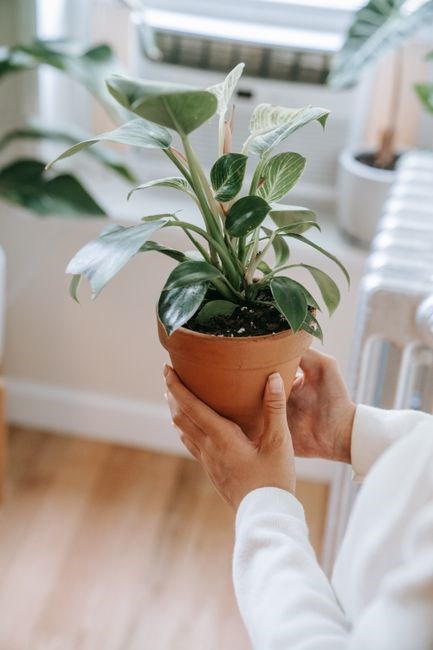
Watering hinges on soil moisture, not a fixed schedule. Insert a finger or skewer; if dry 1–2 inches, water. Use free‑flowing water until drainage holes release moisture. Avoid standing water; adjust for seasonal light changes. Check humidity for finetune
Soil Moisture Testing Techniques
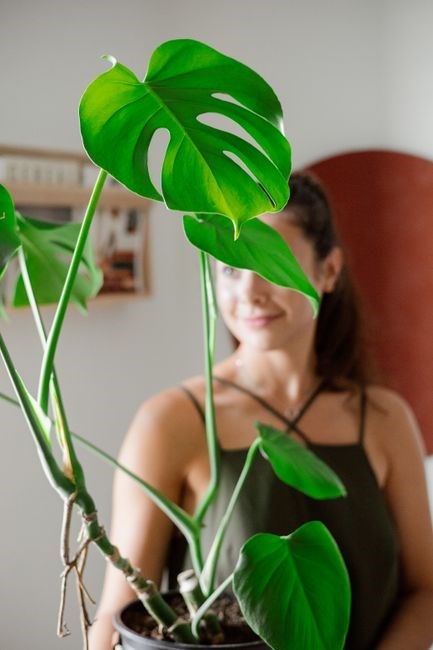
Accurate moisture assessment is the cornerstone of successful indoor plant care. The most reliable method is a simple “finger test” or the use of a bamboo skewer. Insert the tool 1–2 inches into the soil; if the material feels dry, it signals a need for water. For a more quantitative approach, a digital soil moisture meter can provide a precise reading, though it should be calibrated for the specific potting mix used. Another visual cue is the weight of the pot: a dry pot will feel noticeably lighter than a well‑moistened one. When testing, always perform the check at the same time of day to maintain consistency, as soil can dry out faster in the afternoon due to increased light and temperature. For plants with high water demands, such as ferns or tropical species, a more frequent check—every 48 hours—can prevent root rot. Conversely, succulents and cacti require a longer interval; a 4–6 day test cycle is typically sufficient. It is also helpful to mark the soil surface with a small dot of paint or a sticker; the dot will fade as moisture levels rise, offering a quick visual reference. Finally, remember that the goal is to keep the soil consistently moist but not soggy; overwatering is often the result of misinterpreting the moisture signal. By combining tactile, visual, and instrumental techniques, you can fine‑tune your watering schedule to match each plant’s unique needs, ensuring healthy growth and vibrant foliage.
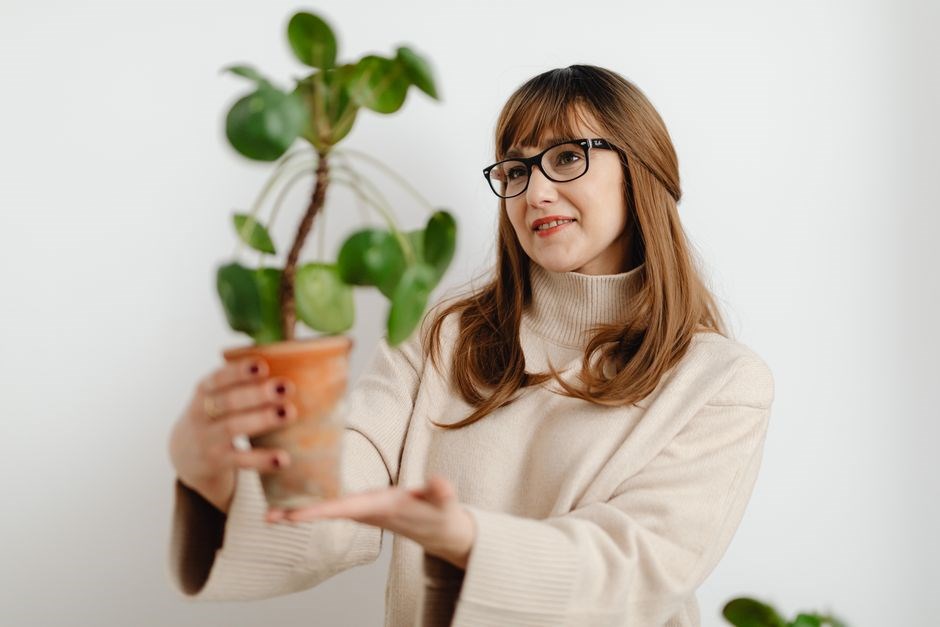
Executing Proper Watering
Water only when soil feels dry an inch down; use a bamboo skewer. Apply water directly to soil, not foliage, until it flows freely from drainage holes. Never leave standing water in a saucer. Adjust volume seasonally, not by schedule. Use a moisture meter daily!!!
Watering When Soil Is Dry
When the soil feels dry an inch or so down, it’s time to water. Stick a finger or a bamboo skewer into the mix; if it comes out clean, the roots need moisture. In winter, allow the top inch to dry out before re‑watering, but avoid letting the soil become completely desiccated. Succulents are an exception: they require a full dry period between waterings to prevent rot. Apply water directly to the soil surface, not to the leaves or from above, to avoid fungal issues. Pour until the pot’s drainage holes release water freely; this ensures the entire root zone receives hydration. Do not leave the plant in a saucer with standing water, as excess moisture can lead to root rot. The volume of water is less important than the frequency; each watering should saturate the soil to the point of flow. Adjust the amount based on season and light exposure—plants in bright, sunny spots need more frequent watering, while those in low light require less. Use a moisture meter or simple finger test to gauge dryness, and keep a log to track changes over time. Consistent monitoring and timely watering help maintain healthy growth and prevent stress from over‑ or under‑watering. Remember that the goal is to keep the soil moist but not soggy. Overwatering can cause root rot, while underwatering leads to wilting. A good rule of thumb is to water until the pot feels slightly heavier, indicating adequate moisture. If you notice the soil crusting or the pot developing a dark ring, it may be a sign of overwatering. Conversely, if the leaves start to droop or the tips brown, the plant is likely thirsty. Seasonal changes affect evaporation rates; in humid climates, soil dries more slowly, whereas in dry air, moisture evaporates faster. Adjust your watering schedule accordingly. Additionally, consider using a self‑watering system or a moisture‑retaining mat for plants that struggle to maintain consistent moisture levels. Finally, always check the drainage holes for clogs; blocked holes prevent proper drainage and can lead to water accumulation at the root zone, which is detrimental to plant health!!!
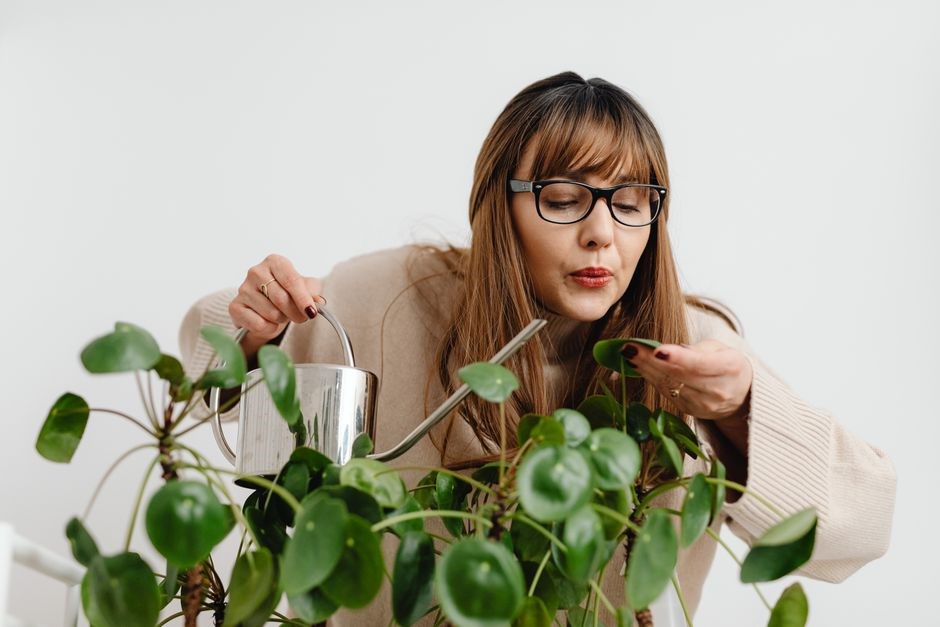
Soil, Pot, and Drainage Essentials
Soil, pot, and drainage essentials are critical for healthy indoor plants. Use well‑draining potting mix choose pots with drainage holes, and add a layer of gravel or broken terracotta at the bottom. This prevents waterlogging and promotes root aeration. Add 1‑inch perlite for extra drainage now
Choosing Bottom‑Draining Pots
When selecting a pot for indoor plants, bottom‑draining designs are essential to prevent root rot and maintain optimal moisture levels. A pot with a single, well‑placed drainage hole at the base allows excess water to escape, ensuring the soil remains aerated. If a pot lacks a drainage hole, insert a small, durable plug and drill a new opening, or use a secondary potting container with a drainage layer.
Materials matter: terracotta and clay pots are porous and promote evaporation, but they can dry out quickly in humid environments. Plastic pots retain moisture longer and are lighter, but they may trap water if not properly vented. Ceramic pots often have a glazed finish that blocks water flow; choose unglazed versions or add a perforated liner.
Size is another factor. A pot that is too large holds excess water, while a too‑small pot restricts root growth; Measure the plant’s root ball and select a pot with a diameter 1–2 inches larger than the root spread. The height should accommodate the plant’s canopy without crowding the soil surface.
Bottom‑draining pots can be enhanced with a drainage mat or a layer of coarse grit, such as perlite, pumice, or broken terracotta shards, placed at the bottom before adding soil. This layer creates a barrier that keeps the potting mix from clogging the drainage hole, allowing water to flow freely.
When repotting, always inspect the drainage system. Clean any debris that may block the hole, and test the flow by pouring a small amount of water into the pot. A steady, unobstructed outflow confirms proper drainage. If water pools, add more perlite or replace the pot with a better‑ventilated design.
Finally, consider the aesthetic and functional aspects of the pot. A decorative rim can hold a saucer that catches excess water, preventing spills on surfaces; However, avoid saucers that trap water; instead, use a saucer with a drainage hole or a self‑watering mat that channels moisture away from the plant.
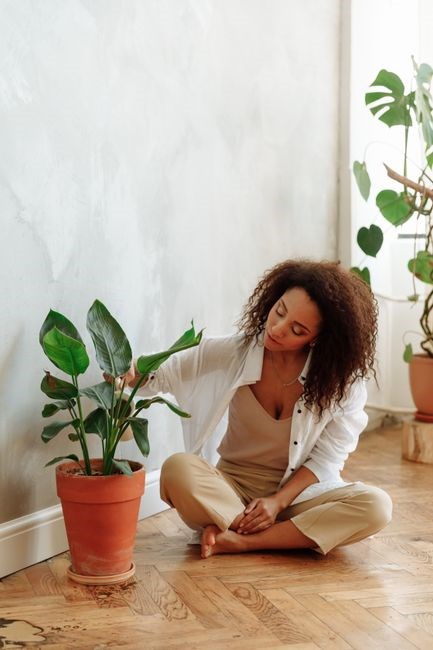
Light and Placement
Indoor plants thrive when positioned near bright, indirect light. East or west windows provide gentle rays; south-facing windows offer stronger light but risk overheating. Rotate plants every 4–6 weeks to balance growth and prevent leaning.
Sunlight aids growth.
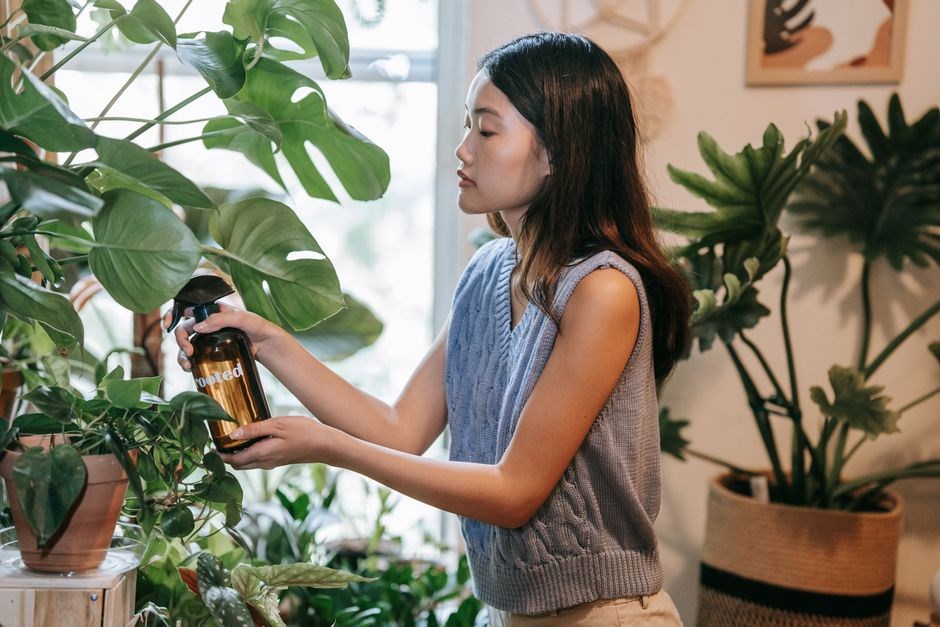
Matching Plants to Window Exposure
Choosing the right spot for each indoor plant is crucial for optimal growth. Start by assessing the light intensity of each window: north-facing windows provide cool, low light; east and west windows receive morning or late‑afternoon sun; south-facing windows offer the brightest, warmest light. Use a light meter or a simple color chart to gauge lux levels. Once you know the light profile, match it to the plant’s natural habitat. Succulents and cacti thrive in high‑lux, south‑facing corners, while ferns and philodendrons prefer shaded, north‑side spots. Monstera and pothos can tolerate moderate light and do well near east or west windows. For plants that need bright, indirect light, place them a few inches away from the glass, using a sheer curtain to diffuse harsh rays. Rotate plants every 4–6 weeks to balance sun exposure and prevent uneven growth. Monitor leaf color and leaf drop; yellowing or elongated leaves often signal too much or too little light. Adjust placement accordingly, and consider supplemental grow lights during winter months when natural light is limited. By aligning each plant’s light requirement with the window’s exposure, you create a harmonious indoor garden that supports healthy, vibrant foliage throughout the year.
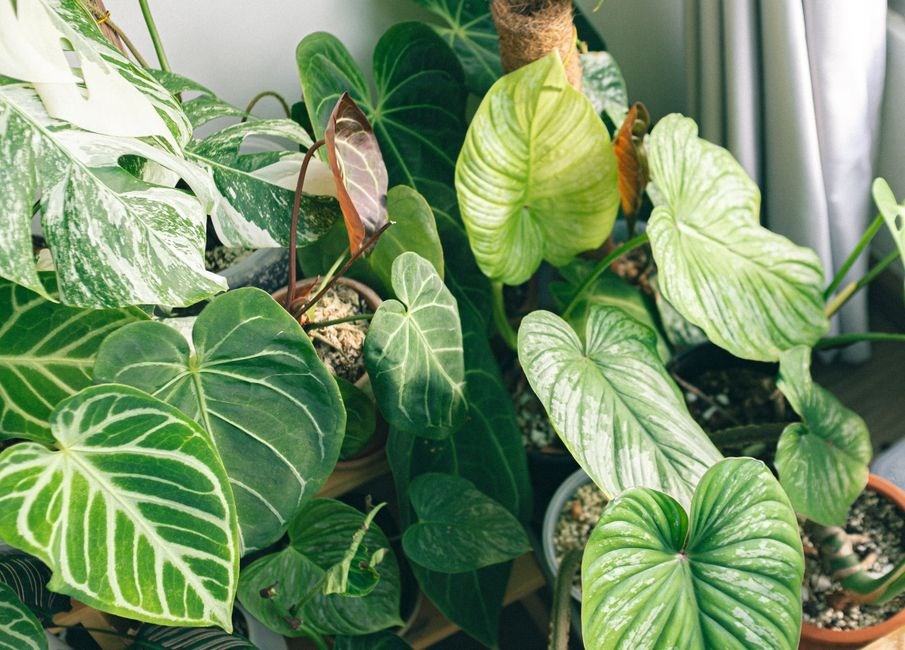
Remember to rotate plants regularly, especially those in direct sunlight to avoid uneven growth. Seasonal changes may shift light patterns; adjust placement or supplement with grow lights to keep conditions.
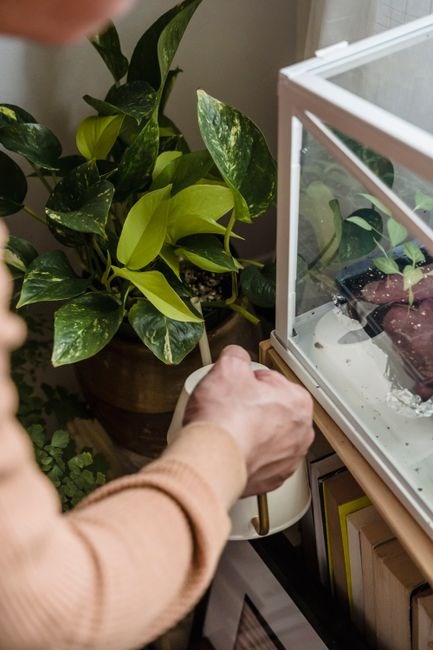
Common Pitfalls and Corrections
Overwatering is often blamed, yet it’s frequency, not volume, that harms plants. Water only when soil feels dry an inch down, and let excess drain freely. Avoid standing water in saucers, and adjust watering to light and season. Check soil moisture daily and adjust.
Overwatering vs. Incorrect Volume
When people talk about overwatering plants they’re referring to frequency, not volume. The volume of water you give a plant is less important than how often you water. A common mistake is to measure a fixed amount of water for every pot, assuming that a set volume will suit all plants. In reality, the amount of water that a plant needs varies with its size, the type of soil, the pot size, the humidity, and the season. The key is to water until the water drains freely from the drainage holes, ensuring that the entire root zone is moistened. If you leave a plant sitting in a saucer with standing water, you create a root‑soaking environment that can lead to rot. Conversely, if you water too infrequently, the soil will dry out completely, causing the plant to wilt and potentially lose leaves. The best practice is to test the soil moisture by inserting a finger or a bamboo skewer about an inch or two into the soil. When the soil feels dry at that depth, it’s time to water. For succulents, the rule is different: let the soil dry out completely before watering again. In addition, plants that receive more light will require more frequent watering, while those in low light need less. Adjusting your watering schedule to match the plant’s light exposure and seasonal changes is essential. By focusing on the timing of watering rather than a fixed volume, you can avoid the pitfalls of overwatering and ensure healthy growth. Another factor to consider is the type of container. Bottom‑draining pots allow excess water to escape, reducing the risk of waterlogged roots. If you use a pot without drainage, even a small amount of water can accumulate and cause root rot. Also, consider the soil mix. A well‑draining mix with perlite or coarse sand will hold less water than a dense peat mix, meaning you’ll need to water more often. Monitoring the weight of the pot can also give clues; a heavier pot indicates retained moisture. Finally, remember that the environment changes: during winter, many plants enter a dormant phase and need less water, whereas in the hot summer months, evaporation rates increase and the soil dries faster. By staying observant and adjusting your watering routine accordingly, you maintain the right balance between moisture and dryness, preventing both overwatering and under‑watering.